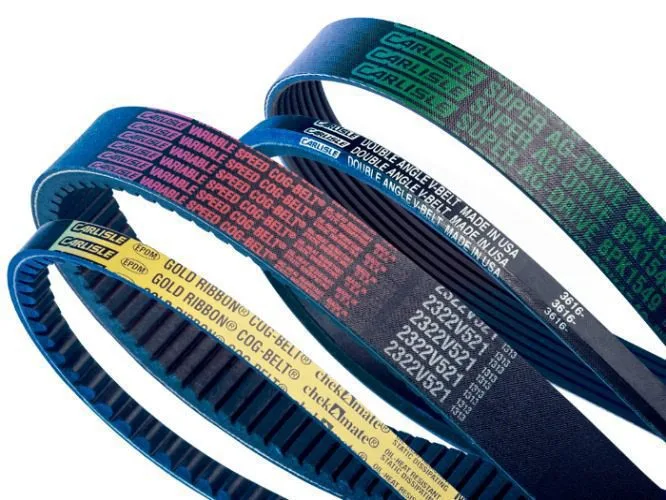
Selecting the Perfect V-Belt: A Comprehensive Guide
Step-by-Step V-Belt Ordering: Expert Tips from Vesselex
Selecting the perfect V-belt involves several important steps to ensure you get the correct size and type of belt for your application. Firstly, V-belts are commonly used in machinery, automotive applications, and other industrial equipment. Here’s a step-by-step guide on how to order a V-belt:
1. Identify the Type of V-Belt Needed:
V-belts come in various types, including classical V-belts (A, B, C, D, etc.), narrow V-belts (3V, 5V, 8V), and speciality V-belts (such as variable speed belts). To make an informed choice, determine which type of V-belt is suitable for your specific application.
2. Measure the Existing Belt (if applicable):
If you are replacing an existing V-belt, it’s a good practice to measure the old belt’s length and width. Furthermore, this will help ensure you get the correct size. Measure the length by running a tape measure along the inside of the belt while it’s still on the pulleys.
3. Identify the Belt Size:
V-belts are typically labelled with a size designation (e.g., A-34, B-45, 5V-800). In particular, the size designation includes information about the belt type and its length. The first letter represents the belt type, and the number(s) represent the length in inches or millimeters.
4. Determine the Required Length:
Measure the distance between the centres of the pulleys where the V-belt will be installed. Consequently, this measurement will help you determine the length of the V-belt needed. Ensure that the belt’s length matches your pulley setup.
5. Select the Belt Material:
V-belts are made from various materials, including rubber, neoprene, and polyester. Therefore, choose a material that suits your application’s requirements, considering factors like temperature, oil resistance, and load capacity.
Ordering the correct V-belt is essential for the smooth operation of your equipments.